Dwarika’s heritage journey began in 1952 when founder Dwarika Das Shrestha rescued carved Newari wood from a building being dismantled in Kathmandu.
A heritage story that began with the rescue of a discarded piece of Newari wood more than seven decades ago has once again earned international recognition. The Dwarika’s in Kathmandu and Dwarika’s Sanctuary in Dhulikhel have retained One MICHELIN Key each in the 2026 MICHELIN Guide hotel selection, as Nepal’s presence on the prestigious global hotel list expands to three properties.
The latest MICHELIN Key selection was unveiled on September 18, 2026. Alongside the two Dwarika’s properties, Shinta Mani Mustang has joined the list, bringing Nepal’s total to three MICHELIN Key hotels.
For Dwarika’s, the recognition adds another chapter to a family hospitality legacy built around preserving Nepal’s architecture, craftsmanship and cultural identity.
1952 Heritage Rescue Grew Into Two MICHELIN-Recognised Hotels
A story that began with one rescued pillar
The beginnings of The Dwarika’s date back to Kathmandu in 1952. According to the hotel’s official history, founder Dwarika Das Shrestha was on his morning run when he came across an old Newar building being dismantled. Carpenters were cutting apart an intricately carved wooden pillar, while other pieces of historic woodwork were being discarded or prepared for use as firewood.
Shrestha bought a section of the pillar and carried it home. That single act gradually developed into a much larger preservation effort. As traditional buildings disappeared during Kathmandu’s modernisation, he began collecting and restoring carved windows, pillars, doors and other architectural elements that represented generations of Newari craftsmanship.
Together with his wife Ambica Shrestha, he also began exploring how heritage conservation could be connected with Nepal’s emerging tourism industry.
In 1964, Dwarika Das built a Nepali-style brick house in his garden, incorporating restored woodwork directly into the architecture. Rather than treating historic carvings simply as museum objects, his idea was to return them to everyday use.
Dwarika’s Kathmandu and Dhulikhel Keep Their MICHELIN Keys in 2026
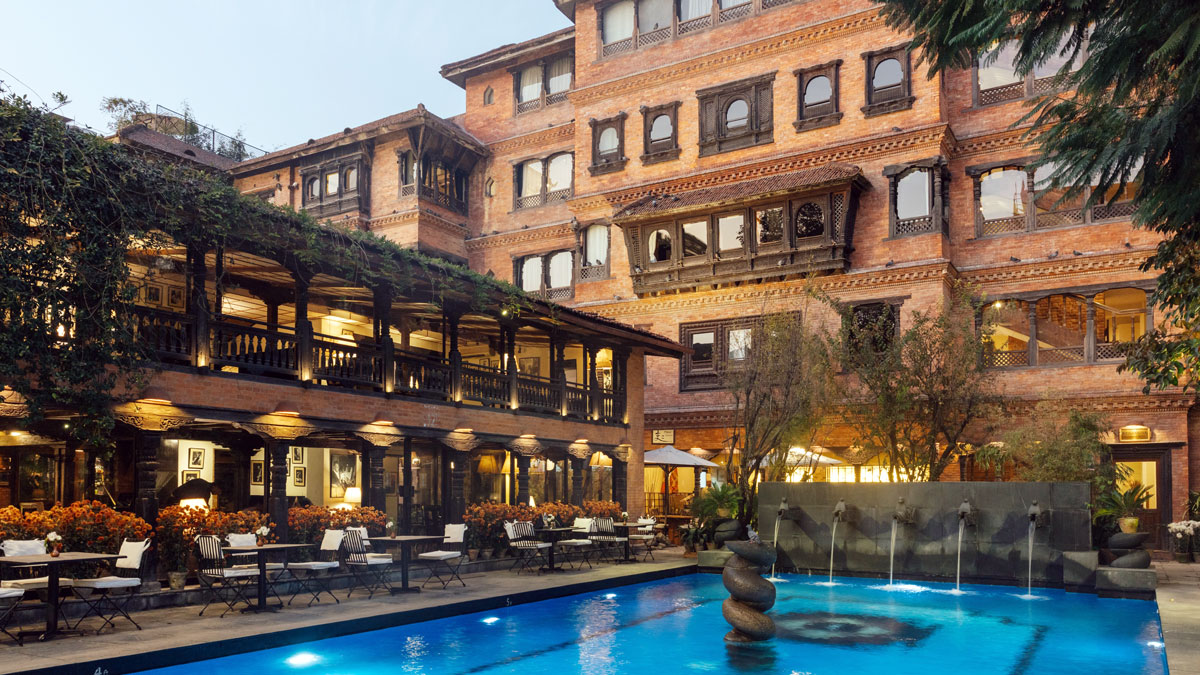
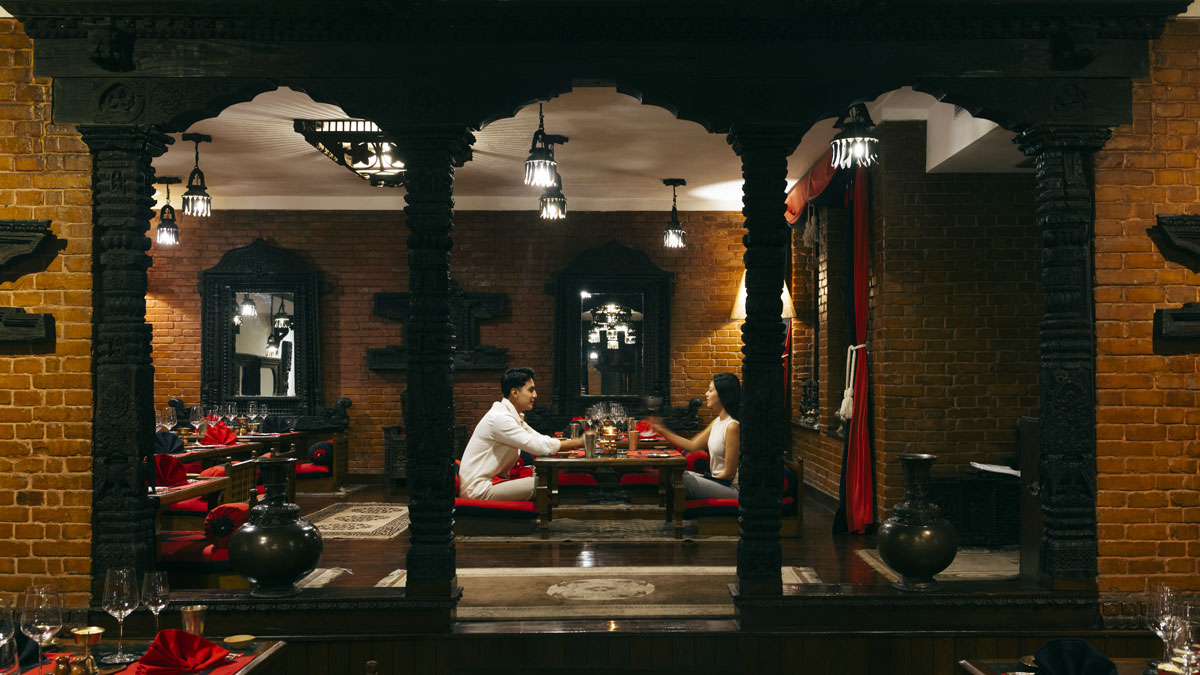
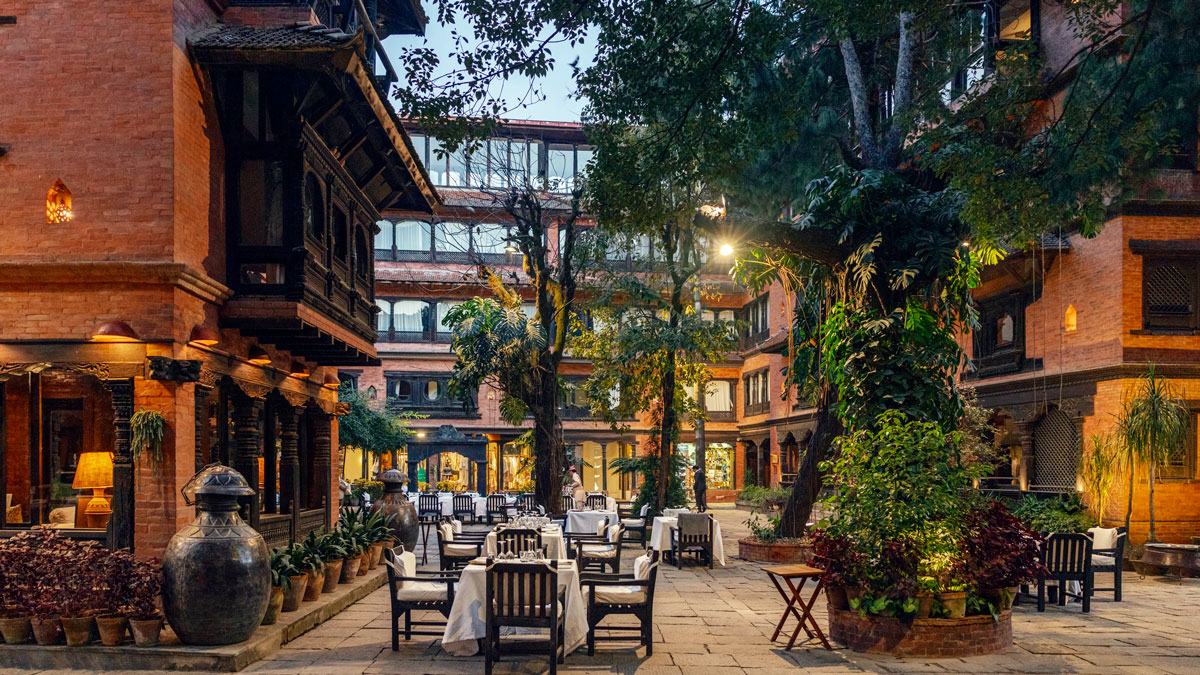
The vision eventually became The Dwarika’s Hotel, which opened in 1972. Its courtyards, windows, beams, doors and façades brought together traditional brickwork and rescued Newari carvings, creating a hospitality space in which guests could experience Nepal’s architectural heritage rather than only observe it.
Today, Dwarika’s describes its Kathmandu property as a “living museum” of Newari heritage, while the MICHELIN Guide highlights its extensive antique woodwork and connection with Kathmandu’s arts and crafts.
From Kathmandu heritage to Dhulikhel wellbeing
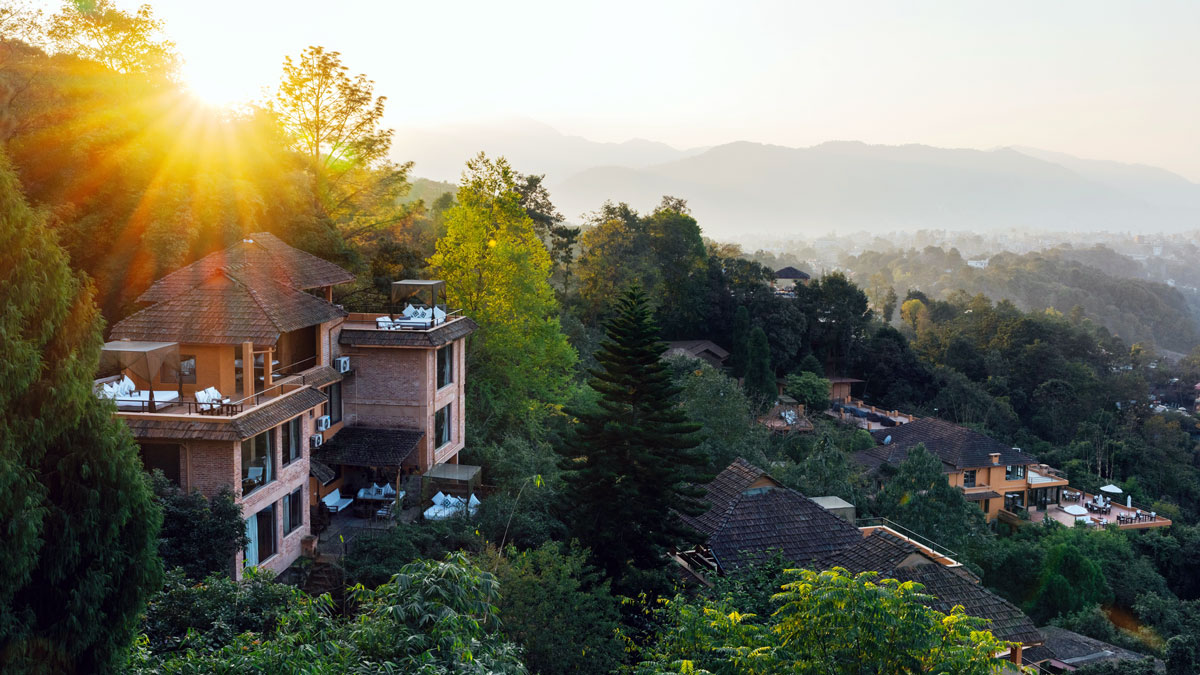
The family’s vision later expanded beyond Kathmandu. Dwarika’s official history says the family identified a hillside site in Dhulikhel in 2006, imagining a second property where nature, traditional knowledge and wellbeing could become central to the experience.
Dwarika’s Sanctuary opened in 2013, extending the family philosophy from architectural conservation into Himalayan-inspired wellness and regeneration.
Dwarika’s Retains MICHELIN Key Recognition in Kathmandu and Dhulikhel
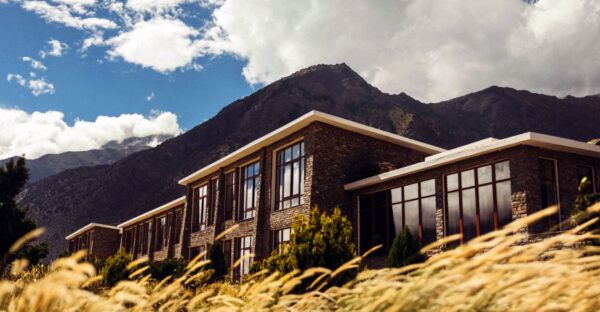
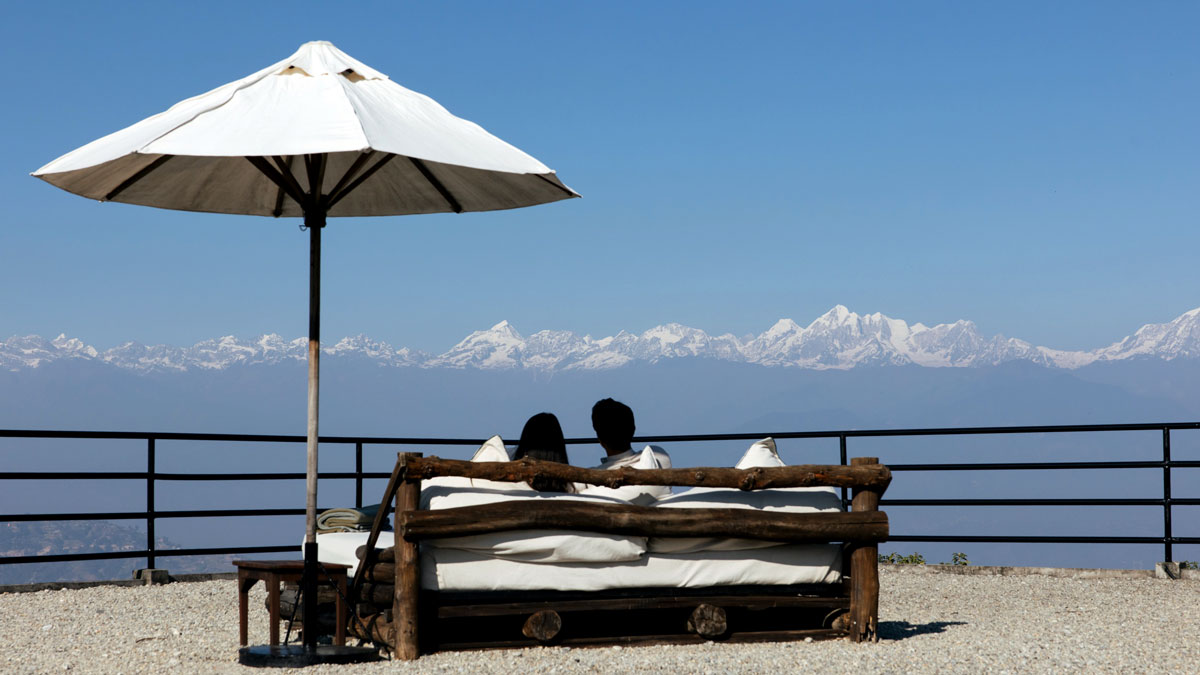
Set in the hills outside Kathmandu, the retreat draws on traditional Newar building techniques and uses materials including wood, earth and stone.
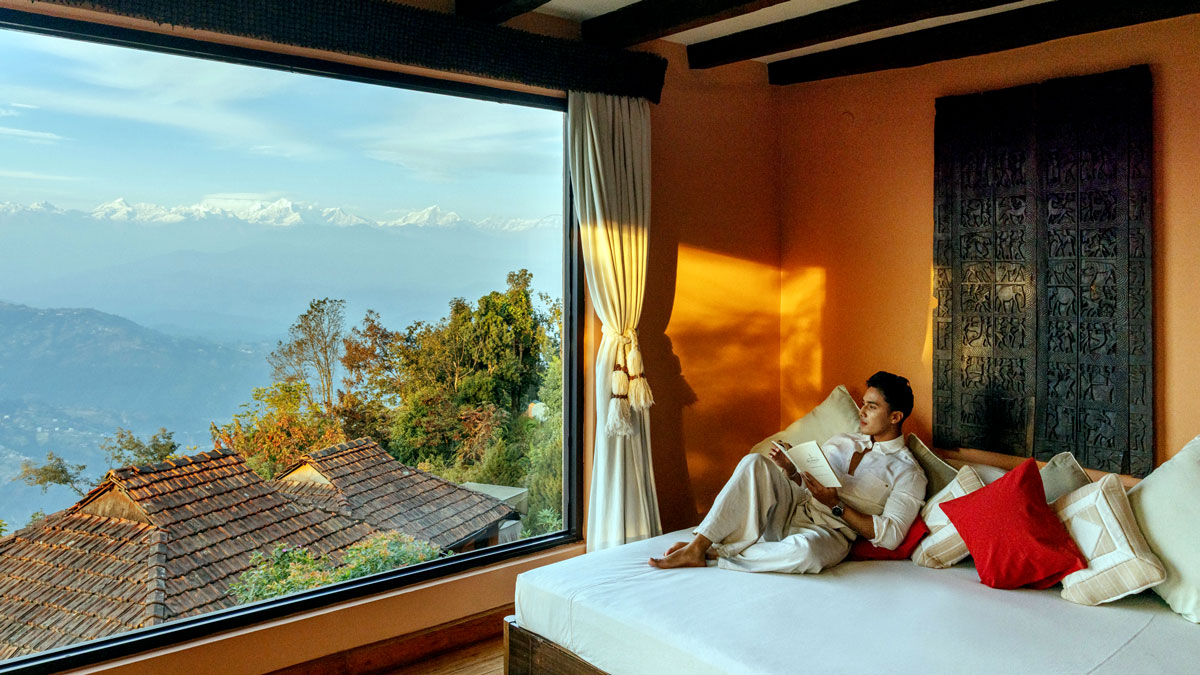
Its wellness experiences include yoga, meditation and Ayurveda, while the property also features spaces such as a Himalayan salt room and meditation facilities overlooking the surrounding landscape.
The two destinations now express different dimensions of the same family philosophy. The Kathmandu property is centred on Newari architecture, heritage and craftsmanship, while Dwarika’s Sanctuary places greater emphasis on nature, Himalayan wellbeing and restorative travel.
Dwarika’s Kathmandu and Dwarika’s Sanctuary in Dhulikhel retain One MICHELIN Key each in 2026
Two Dwarika’s properties retain One MICHELIN Key
Both properties have retained their One MICHELIN Key status in the MICHELIN Guide’s 2026 global hotel selection.
The MICHELIN Guide describes One Key as representing “a very special stay.” Hotels considered for MICHELIN Keys are assessed across five broad criteria: architecture and interior design, quality and consistency of service, overall personality and character, value for the experience offered, and the property’s contribution to its location or setting.
For the Dwarika’s properties, several of those elements intersect directly with a philosophy that has developed across three generations of the Shrestha family.
Dwarika’s Retains MICHELIN Key Recognition in Kathmandu and Dhulikhel
Nepal now has three MICHELIN Key hotels
The 2026 selection also marks an expansion for Nepal. With Shinta Mani Mustang joining The Dwarika’s and Dwarika’s Sanctuary, the country now has three MICHELIN Key hotels.
The three properties represent distinctly different expressions of high-end travel in Nepal: Newari heritage and craftsmanship in Kathmandu, Himalayan-inspired wellness in Dhulikhel, and remote mountain hospitality in Mustang.
Globally, the 2026 MICHELIN Guide selection includes 2,020 One-Key hotels, 657 Two-Key hotels and 155 Three-Key hotels.
For Nepal, the growing representation places more of the country’s hospitality experiences within an international hotel guide increasingly followed by travellers seeking distinctive places to stay.
For Dwarika’s, however, the story remains closely connected to the moment that started it all.
From one carved wooden pillar rescued from destruction in Kathmandu in 1952 to two MICHELIN-recognised hotels more than seven decades later, the family’s journey shows how cultural conservation can become something travellers do not simply look at, but temporarily live within.