The Story Behind Swapnil Sharma: Music, Struggles and Life Beyond the Stage
Before Swapnil Sharma became a familiar voice on Nepal’s rock stages, he was a boy in Chitwan learning music at home. The crowds, overseas concerts and business ventures came later. His journey began with a musical family, childhood competitions and a growing desire to sing.
Over the years, that desire has taken him through several different lives: child singer, frontman of The Shadows Nepal, songwriter, entrepreneur and vocalist of Swar. Along the way, he has faced the difficulty of keeping a band together across countries, building businesses and finding fresh creative purpose after becoming an established name.
His story offers a revealing look at what it takes to keep a musical career moving long after the first breakthrough.
A musical childhood in Chitwan
Sharma has recalled growing up near a police training centre, where watching officers on parade inspired his childhood dream of becoming a policeman.
Music gradually changed that ambition. His father, Sudan Sharma, was a musician, and learning began within the family. Narayan Gopal became an early inspiration.
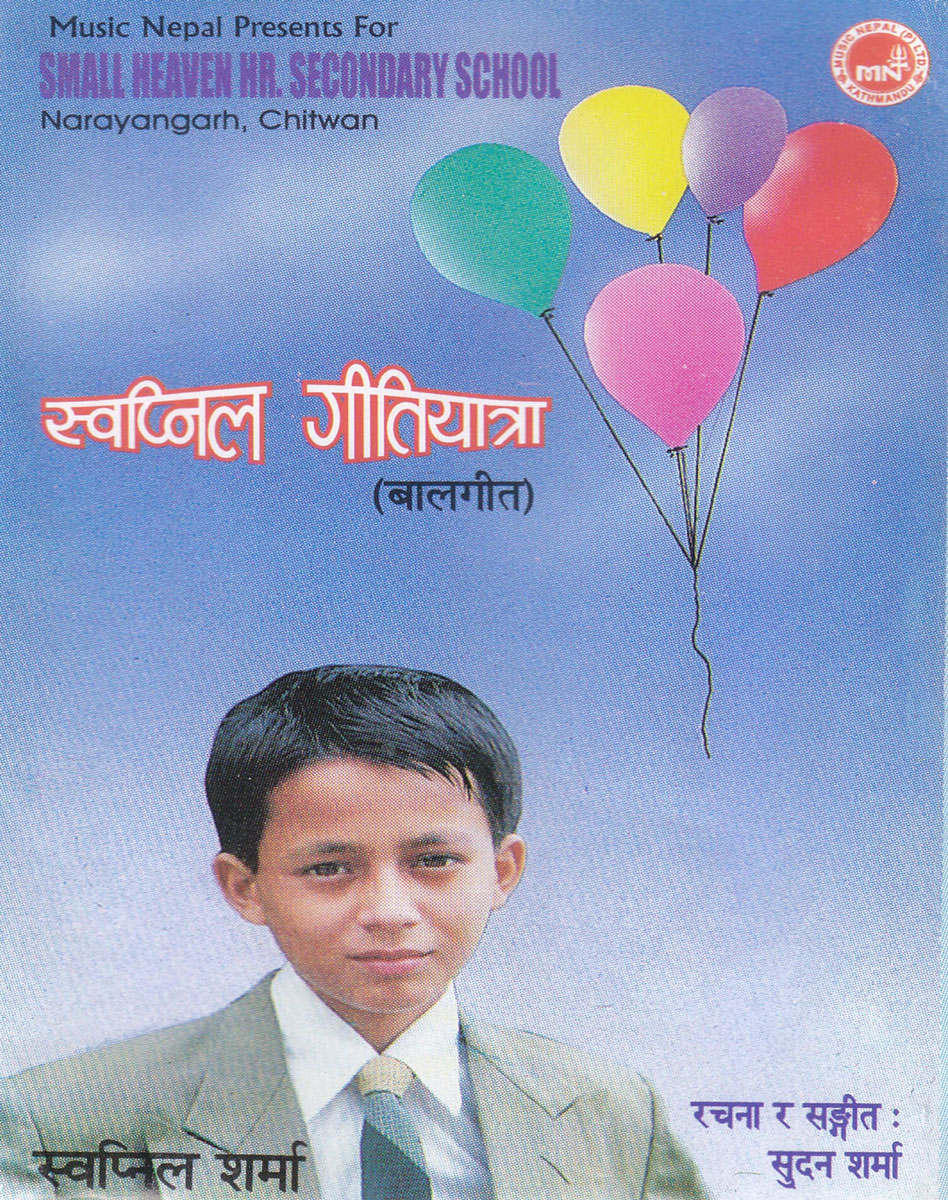
The same profile recounts that Sharma travelled to Kathmandu at eight and won a Children’s Day singing competition. It also describes a childhood solo album, “Swopnil Geeti Yatra” evidence that his recording ambitions began well before his association with a rock band.
By his teenage years, he was considering a pop album. His interests were already moving beyond one style, a quality that would become increasingly visible throughout his career.
How The Shadows Nepal became part of his life
The Shadows Nepal’s history began before Sharma joined the group.
Formed in Narayangadh, Chitwan, in 1997, the band initially performed with vocalist Basanta Shrestha. Its early release, “Suna Hamro Awaz,” helped establish a local following before Shrestha’s departure interrupted its progress.
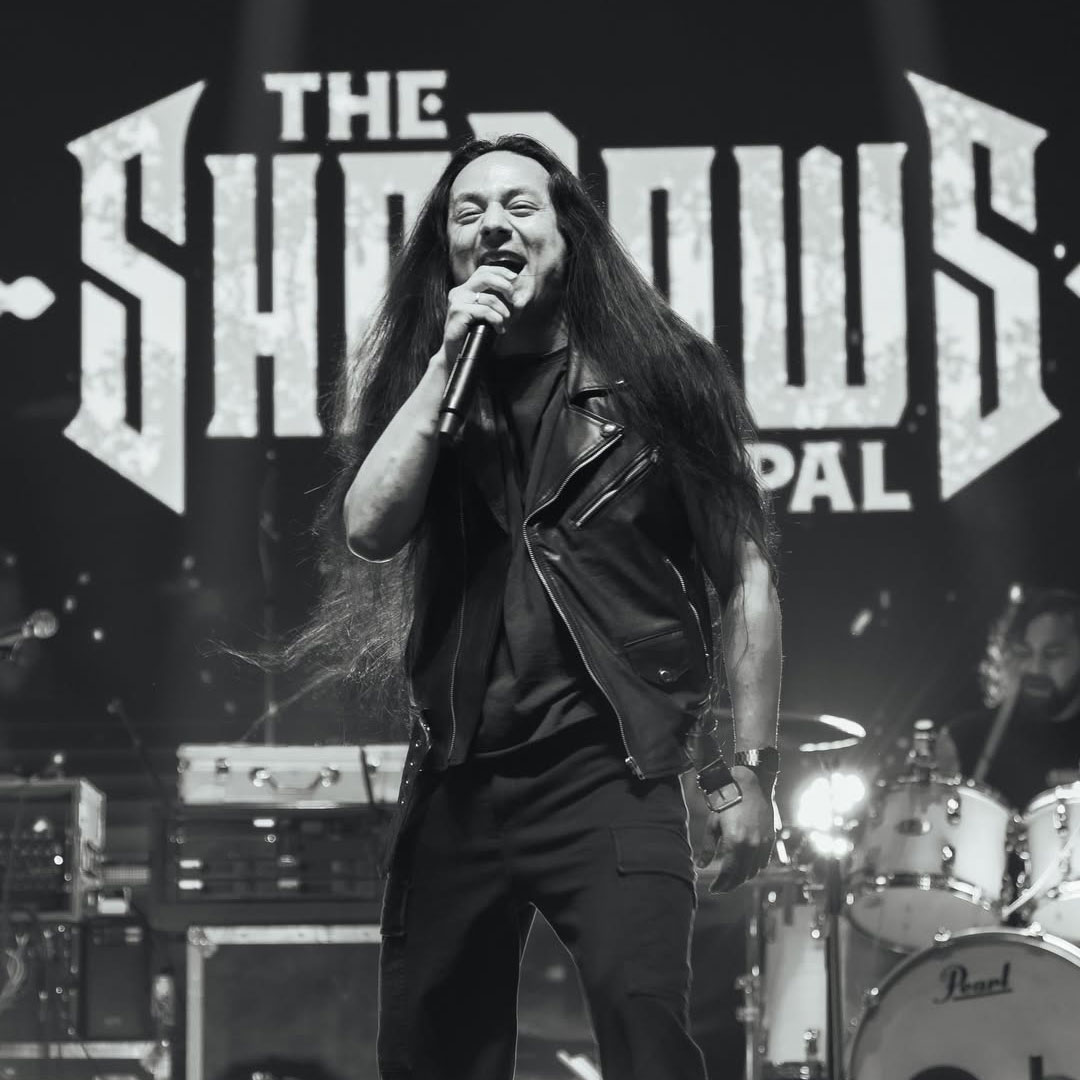
Sharma subsequently became the band’s frontman. Swar’s official biography dates his association with The Shadows Nepal to 2000.
The lineup associated with the band’s breakthrough included guitarists Prakash Rasaily and Prashant BK, bassist Amit Pradhan and drummer Bikash Manandhar. Together, they developed a sound that carried the force of rock music while speaking about concerns recognisable to Nepali listeners.
“Hidne Manche Ladcha,” “Prakriti,” “Ma” and “Bhatkeko Kotha” became important songs in that journey. The band earned music-award recognition in 2006, strengthening its place in Nepal’s rock scene.
For Sharma, this was the defining early career change: a young singer pursuing his own musical ambitions had become the voice of a group with a shared identity.

The breakthrough was also about what the songs said
The Shadows Nepal gave listeners songs about perseverance, society, the environment and everyday frustrations.
“Hidne Manche Ladcha”—a title that conveys the idea that those who walk will sometimes fall provides a fitting starting point for understanding the band’s appeal. Its message recognises setbacks as part of moving forward.
Sharma’s songwriting also grew from observation. In a 2011 interview with Verse, he explained that ideas emerged through conversations, reading and encounters with ordinary life. Although the vocalist often represented the band as its writer, developing songs was a collective process.
He identified “Prakriti” as a personal favourite and described explaining its environmental message during performances.
That attention to meaning helped give the music a life beyond the immediate excitement of a concert.
Keeping a band alive when its members lived apart
Recognition did not make the band’s future secure.
In the same Verse interview, Sharma discussed the difficulty of continuing when Pradhan and Rasaily were studying sound engineering in Australia. With key members overseas, regular work together became harder.
Sharma brought in session musicians for performances to maintain the band’s presence. When the members reunited during a visit in 2010, they played ten concerts across Nepal.
The experience illustrates a less visible challenge in a musician’s life: maintaining a group requires schedules, practical compromises and commitment from people whose lives may be moving in different directions.
A successful song can bring a band attention. Keeping that band functioning is a separate task.
The working life behind the performer
Sharma’s ambitions also extended into business.
In an interview with Colleges Nepal about his Fuchhey restaurant venture, he recalled spending a couple of years in an ordinary office job. The work did not satisfy him, and he wanted to establish something of his own.
The interview does not clearly place that employment before his music career. It does, however, show that the public image of a performer tells only part of his working life.
He described entrepreneurship as a goal that took years of effort. At the time of that interview, he said he was working 15 to 16 hours a day while pursuing his plans.
Fuchhey drew on childhood nostalgia, combining food with a concept built around memories and familiar games. It showed another side of his creativity: thinking about how an experience could make people feel.

Purple Haze: creating space for other musicians
One of Sharma’s most significant ventures was Purple Haze Rock Bar, which he co-founded with Ashok Sen in Kathmandu in 2011.
The idea grew from a practical concern. Musicians needed a proper performance space, with equipment and a stage that treated live music as the main attraction.
Sharma explained that Purple Haze provided equipment that performers often had to arrange themselves elsewhere. Bands could arrive with their guitars instead of carrying an entire setup.
Purple Haze developed into an important venue for established acts and emerging performers. Its activities included opportunities for newer bands to present their music and launch albums.
For Sharma, the connection between music and business was direct. He was helping build the kind of setting in which other musicians could work.
His contribution therefore extended beyond the songs he sang: it included creating room for someone else to step onto a stage.
The pandemic brought another test
A live-music venue depends on people gathering. The pandemic disrupted that basic foundation.
By September 2022, Purple Haze and other Thamel businesses were facing a difficult recovery after prolonged closures and the loss of international visitors.
Sharma told the publication that local music lovers had helped fill the venue again. Their support mattered, although differences in spending meant that returning crowds did not immediately restore earlier revenue.
The experience exposed the uncertainty behind a familiar entertainment business. A popular name and years of work could not protect a venue from an event that stopped audiences from coming through its doors.
Recovery required adapting to a changed audience and a changed market.

Swar opened a fresh musical chapter
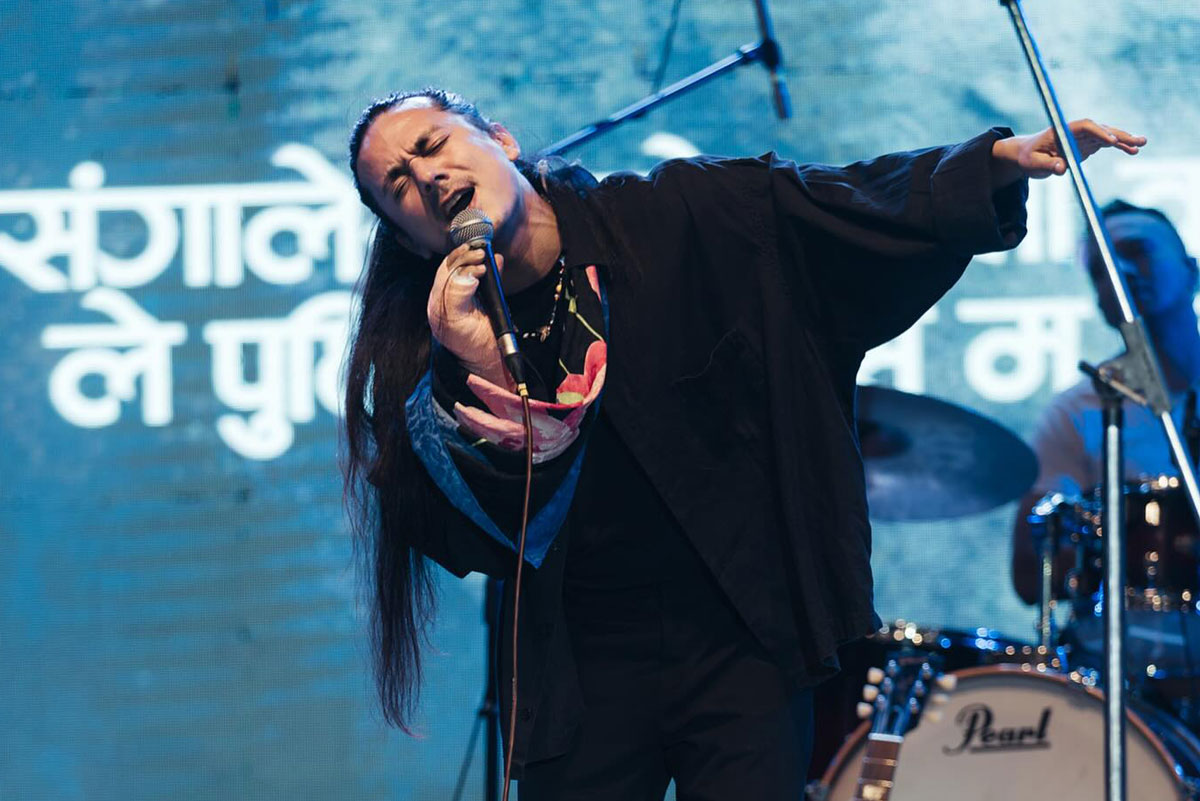
Sharma’s later work with Swar expanded the musical identity audiences associated with him.
Swar’s official channel describes the band as beginning in 2021. Its central collaboration brought together Sharma, producer and guitarist Rohit Shakya, and drummer Gautam Tandukar.
The project’s indie, alternative and pop-rock approach gave the musicians space to explore different arrangements and emotional tones.
Speaking to Sikkim Express, Sharma explained that the members came from different bands and musical backgrounds. That variety was part of the reason for creating the project.
Songs including “Aparibhasit,” “Aunla Haru” and “Udirahechan” became part of this chapter. “Badal Sari,” a collaboration credited to Swar and John Rai, further widened the range of artists working together around the music.
For an established rock vocalist, the significance was creative as much as professional. Swar allowed Sharma to develop another musical voice while carrying years of performance experience into a new collaboration.
His career had room to change.
Education and opportunities for younger artists
Sharma’s work outside performance has also included education-related initiatives.
His 2019 TEDxLACM speaker profile identified him as an entrepreneur running EduQuest Nepal while continuing to compose for films and record with his band.
In July 2024, EduQuest and Sydney’s Excelsia College organised their seventh annual music-study auditions at Purple Haze, drawing more than 100 participants hoping to pursue formal music education in Australia.
Sharma hosted the audition alongside Associate Professor Lotte Latukefu. The event offered aspiring musicians a route towards formal music study in Australia.
It connected several parts of his professional life: performance, a venue he helped establish, and educational opportunities for musicians considering their next step.

His life today: music remains the centre
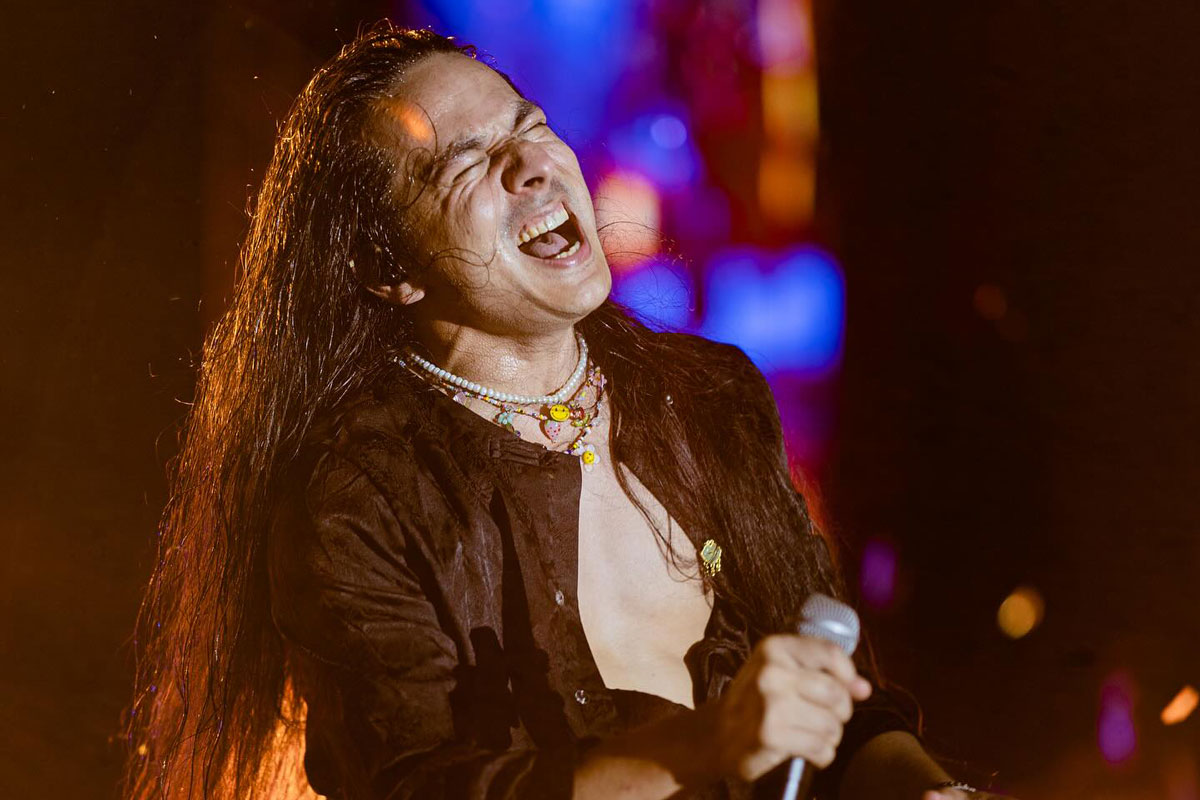
Sharma’s current public-facing career continues to revolve around songwriting, collaboration and live performance with Swar, alongside his established business and education background.
Swar’s official website lists him as its vocalist, while its performance listings and promoters’ announcements show continued activity at home and abroad, including programmes advertised for 2026.
His recorded catalogue also reflects ongoing work. Apple Music lists “Sansaar” and “Udirahechan” among his 2024 releases, followed by “Ma Mare Pani” in 2025.
Away from professional work, he has publicly referred to his wife, Ranju Swaran Gurung, in social-media posts. However, the available material offers a much fuller picture of his working life than of his private daily routine.
What emerges most clearly is a musician whose responsibilities have grown with his career: making songs, collaborating with other artists, performing and participating in ventures connected to the wider music community.
The inspiration in his journey
The encouraging part of Swapnil Sharma’s story lies in the decisions that followed success.
When distance complicated band life, he found ways to keep performing. When he wanted a business of his own, he worked towards it. When younger musicians needed a larger platform, he helped create one. When an established musical identity could have become a comfortable stopping point, he explored another direction with Swar.
His experiences also show why collaboration matters. Family encouraged his early singing; bandmates helped shape his breakthrough; business partners and audiences supported ventures beyond the stage.
For an aspiring artist, there is a practical lesson here: talent needs opportunities, working relationships and the willingness to adjust when circumstances change.
The boy who began singing in Chitwan grew into a performer with several ways to contribute to music. Through The Shadows Nepal, Swar and the spaces he helped build for others, Sharma has continued finding reasons and ways to keep going.