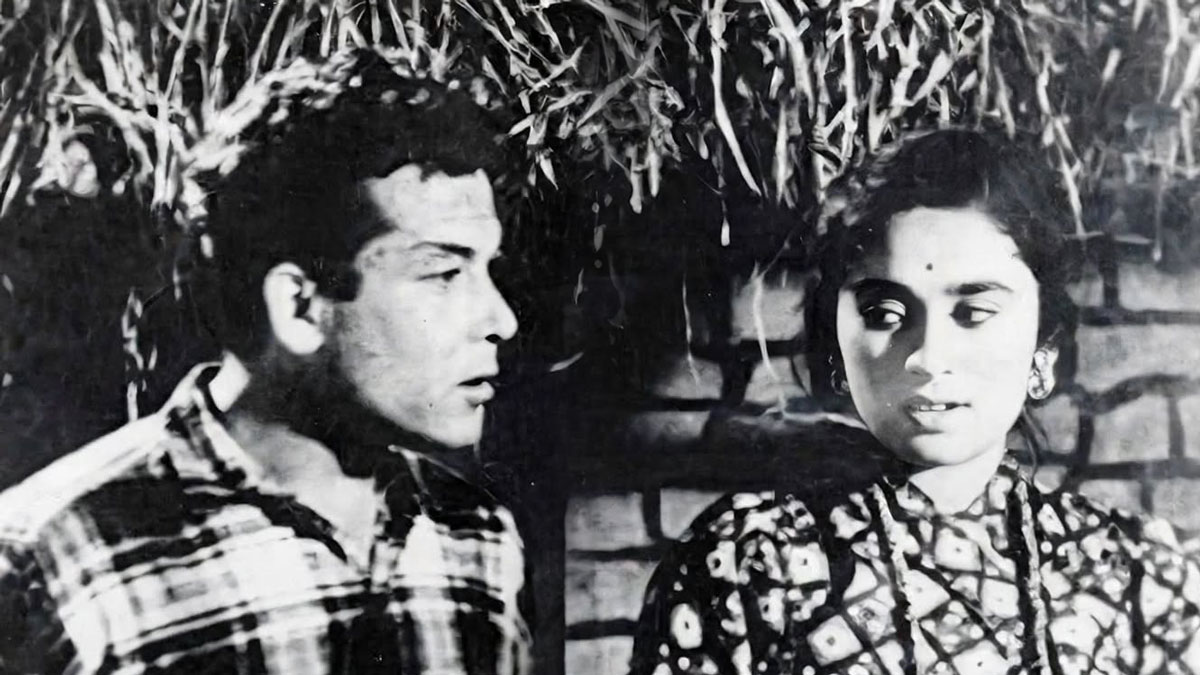
First Nepali Film ‘Aama’ Goes Digital, Bringing Six Decades of Cinema History to a New Generation
One of the most important films in the history of Nepali cinema, Aama, is now available to watch in full on YouTube. The Film Development Board has released the digitized and preserved version of the landmark film through its official YouTube channel on the occasion of the second National Film Day.
Directed by Hira Singh Khatri, Aama is recognized by the Film Development Board as the first Nepali feature film produced in Nepal. Its production began in the 1960s, and the film was first publicly screened on Asoj 15, 2022 BS.
That historic screening date later became the basis for the Government of Nepal’s decision to observe National Film Day every year on Asoj 15.
With the full film now available online, a new generation can directly experience the early visual language, acting style, technical limitations and social atmosphere that shaped the beginning of Nepali cinema.
A Landmark in the Early Journey of Nepali Cinema
Aama was produced with the initiative of the then-government’s information and publicity authorities at a time when Nepal had very limited infrastructure for filmmaking.
The film was shot in Nepal, while technical work including editing, dubbing, mixing and film processing was completed in Kolkata, India.
The story presents Nepal through the symbolic image of a mother and explores themes such as love for the motherland, national responsibility and social duty.
The film was made during the Panchayat era, and its narrative also reflects the nationalism and socio-political outlook of the state at the time.
For that reason, Aama is more than just an old film. It is also an important visual document for understanding the society, politics and cinematic culture of Nepal in that period.
Historic Performances by Bhuwan Chand and Shiva Shankar Manandhar
The film was directed by Hira Singh Khatri and features Shiva Shankar Manandhar and Bhuwan Chand in the lead roles.
Other cast members include Hariprasad Rimal, Basundhara Bhusal, Chaityadevi, Uttam Nepali and Indralal Shrestha. Director Khatri also appears in the film.
With Aama, Bhuwan Chand became one of the pioneering actresses of Nepali cinema, while Shiva Shankar Manandhar went on to become an important figure in both acting and Nepali music.
The film’s music was composed by V. Balsara, while Tara Devi and Shiva Shankar Manandhar were involved in playback singing.
‘Satya Harishchandra’ or ‘Aama’?
For years, discussions about the first Nepali film have often included both Satya Harishchandra and Aama.
The Nepali-language film Satya Harishchandra was produced in India in 1951, making it older than Aama.
However, because Aama was filmed and produced in Nepal, the Film Development Board recognizes it as the first Nepali film made in Nepal.
For historical accuracy, it is therefore more precise to describe Aama as the first Nepali feature film produced within Nepal.
Why Asoj 15 Became National Film Day
Aama was first publicly screened on Asoj 15, 2022 BS, a date that has become one of the most important milestones in Nepal’s film history.
Based on that historical connection, the government decided to officially observe National Film Day every year on Asoj 15.
The Film Development Board’s official historical timeline also lists Aama as the first film produced in Nepal.
A Commemorative Postal Stamp for ‘Aama’
The historical significance of Aama has also been recognized through another official tribute.
During the 25th anniversary, or silver jubilee, of the Film Development Board, a Rs. 10 commemorative postal stamp featuring imagery connected to the film was issued.
The gesture further strengthened Aama’s place not only in film history but also in Nepal’s broader cultural record.
Preserving Old Nepali Films for a New Generation
The Film Development Board has been working to digitize and preserve historically important Nepali films, including Aama.
In 2083 BS, the board also launched its “Old Is Gold” programme with a special screening of Aama. Veteran artistes including Bhuwan Chand, Chaityadevi Singh, Basundhara Bhusal and Bimala Shrestha attended the programme.
The board has also expressed its intention to organize regular screenings of historically important Nepali films.
Now that the complete version of Aama is available on YouTube, viewers can see for themselves how the journey of Nepali cinema began more than six decades ago.
Its black-and-white visuals, limited technology, early acting style and reflection of Nepal’s social environment make Aama more than a piece of entertainment for today’s audience.
It is, quite literally, a piece of Nepali film history that can now be watched on screen.
Watch Here Full Movie: Aama (First Nepali Film)