A Mother, Her Son and the Cow Movie That Took China by Surprise
A stiffly animated cow became an unlikely box-office attraction in China after internet users turned its awkward movements into entertainment of their own. Niu Lai (牛来), a film that earned just RMB 7,169 (approx $1,070) during its first nine days, has now collected more than RMB 64 million (approx $9.6 Million), helped by viewers curious to see the movie everyone was talking about.
Behind the jokes is another story: a director working largely alone for five years, a mother learning music to support his film, and a project whose imperfections brought it an audience.
Released in mainland China on August 5, 2026, the 86-minute animated feature initially attracted barely any attention. Then clips of its rough animation began spreading online, turning a nearly forgotten release into a shared internet obsession.
The Animation People Could Not Stop Sharing
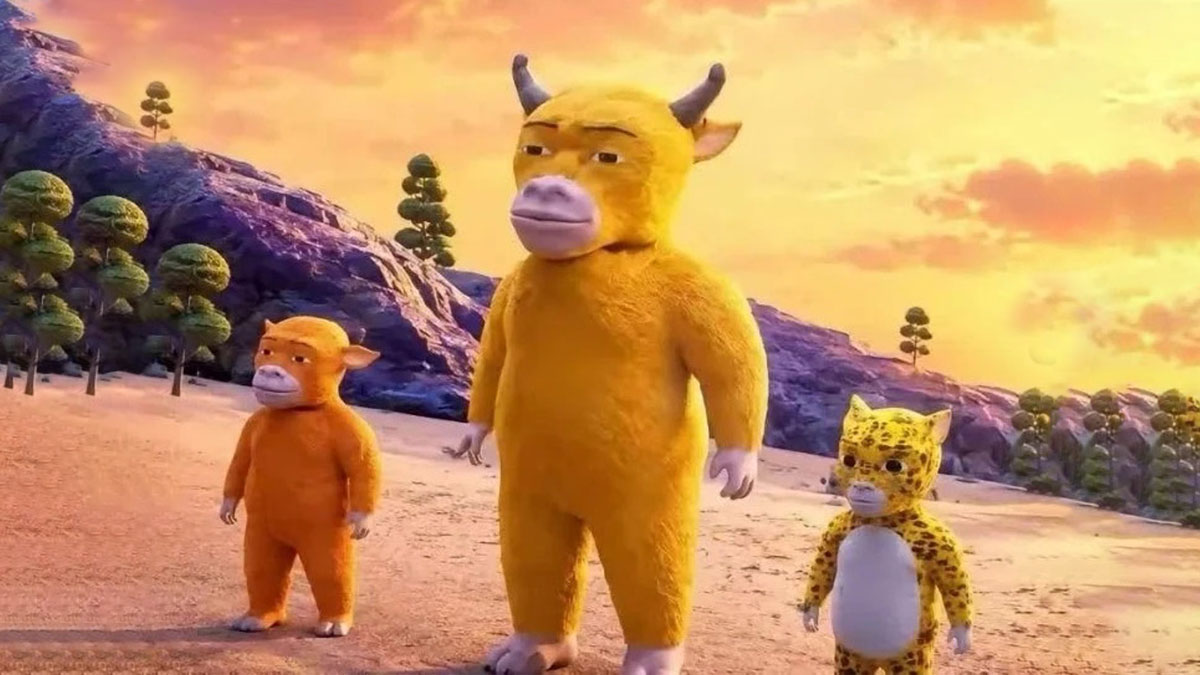
Niu Lai did not go viral because it looked impressive. Its crude character models, stiff movements and unusual scenes became the attraction.
Viewers circulated clips, made jokes and encouraged others to discover just how strange the film could be. The criticism became an invitation: seeing the movie meant joining a conversation already happening online.
China News Service reported that only 236 people watched it during its first nine days. As the online attention grew, screenings expanded dramatically and daily ticket sales reached millions of yuan.
The turnaround accelerated in mid-August. According to The Beijing News, daily earnings climbed to RMB 716,000 on August 15 and reached approximately RMB 8.2 million two days later. By September 15, its cumulative box office had passed RMB 63 million.
An October 4 report put the total above RMB 64 million and said the film’s theatrical run had received a second extension, through November 4. That is a remarkable lifespan for a movie that began with almost empty screenings.
Five Years, Second-Hand Equipment and SketchUp
Director Xin Yumeng came from a landscape-design background rather than an established animation studio.
In a radio interview recorded before the film opened, he described spending five years making the project, handling the animation largely himself and repeatedly encountering technical problems that made him consider giving up. His parents’ encouragement helped him continue.
One production detail particularly fascinated viewers: Xin used SketchUp, software commonly associated with architectural and interior-design modelling. Reports sharing his interview identified it as the tool behind the film’s unusual visuals.
Limited equipment added to the difficulty. Xin said he bought hardware through the second-hand marketplace Xianyu; coverage of the interview also described a computer motherboard burning out during production.
He also rejected suggestions that artificial intelligence had generated the movie. In the published interview, Xin said the film contained no AI elements and described completing the animation manually.
Those details gave audiences more to discuss than the animation itself. The film’s rough appearance now came with a story about the effort required to finish it.
A Movie That Divided Its Audience
The response was never simply admiration or rejection.
When Douban first displayed the film’s rating in August, Niu Lai scored 5.9 out of 10. Its rating distribution was unusually divided: 35.8% awarded five stars, while 37.8% gave it one star.
Some viewers criticised its quality. Others appreciated the creators’ sincerity, while some enjoyed participating in the joke.
A later analysis by The Beijing News found that this division continued. Critics questioned whether such rough work belonged in cinemas; supporters praised its grassroots origins. Some high ratings reflected playful participation rather than conventional praise for the filmmaking.
That distinction helps explain the phenomenon. Buying a ticket did not necessarily mean believing Niu Lai was a great animated film. It could also mean wanting to experience an internet event in person.
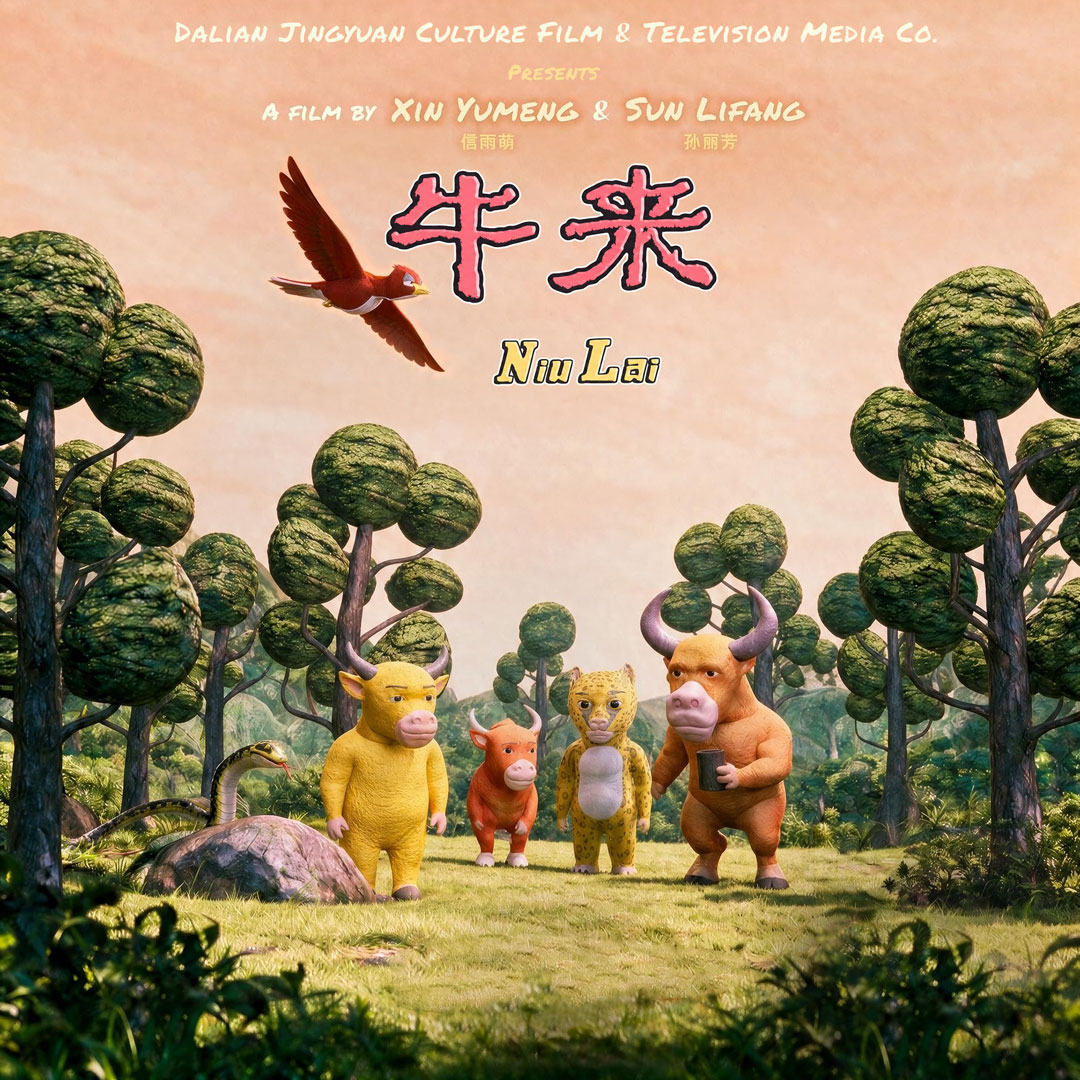
Niu Lai: Chinese Cow Movie Poster
His Mother’s Song Brought a Different Reaction
Amid the mockery, the ending song attracted a warmer response.
Xin’s mother, Sun Lifang, wrote, composed and performed 《雨后轻风有香》, whose title can be loosely rendered as A Gentle Breeze After the Rain Carries Fragrance.
According to Chinese Film News, Sun had no professional music background and learned from scratch for the project. The publication highlighted viewers who entered the cinema expecting to laugh but became emotional when the closing song played.
Her contribution gave the film an emotional centre beyond its viral clips. The same production that audiences mocked for its animation ended with music some listeners found unexpectedly moving.
The mother-and-son story helped broaden the conversation: people could laugh at the finished film while still recognising the commitment behind it.
When the Cow Met “Good Night, Ojou-sama”
The film’s online life soon extended beyond clips from the original movie.
Users combined its characters with the “Good Night, Ojou-sama” meme, circulating in Chinese social media through the “大小姐晚安” format. The exaggerated bedtime routine suited the cow’s awkward movements and surreal screen presence.
An August 21 Weibo post shared footage described as showing one such parody on a shopping centre’s outdoor screen. The retrieved post displayed more than 870,000 views, illustrating how far the remix had travelled beyond the film itself.
By then, Niu Lai was becoming a character people could recognise without having watched the complete movie.
Why the Joke Became a Box-Office Story
Niu Lai offered several reasons to pay attention: strange visuals, an unlikely production process, sharply divided reactions and a heartfelt song.
The strongest explanation for its comeback is that these elements encouraged participation. Viewers could share a clip, make an edit, defend the filmmakers or buy a ticket to understand the joke.
The online audience effectively gave the film a second life. Its shortcomings supplied the material, while its family backstory gave the conversation something more lasting than ridicule.
That does not make every criticism disappear. It explains how a film people openly mocked could still persuade large numbers of them to visit a cinema.
For Niu Lai, being strange enough to share became the beginning of being interesting enough to watch.