Sugam Pokharel Issues Legal Warning Over AI-Generated Music on Digital Platforms
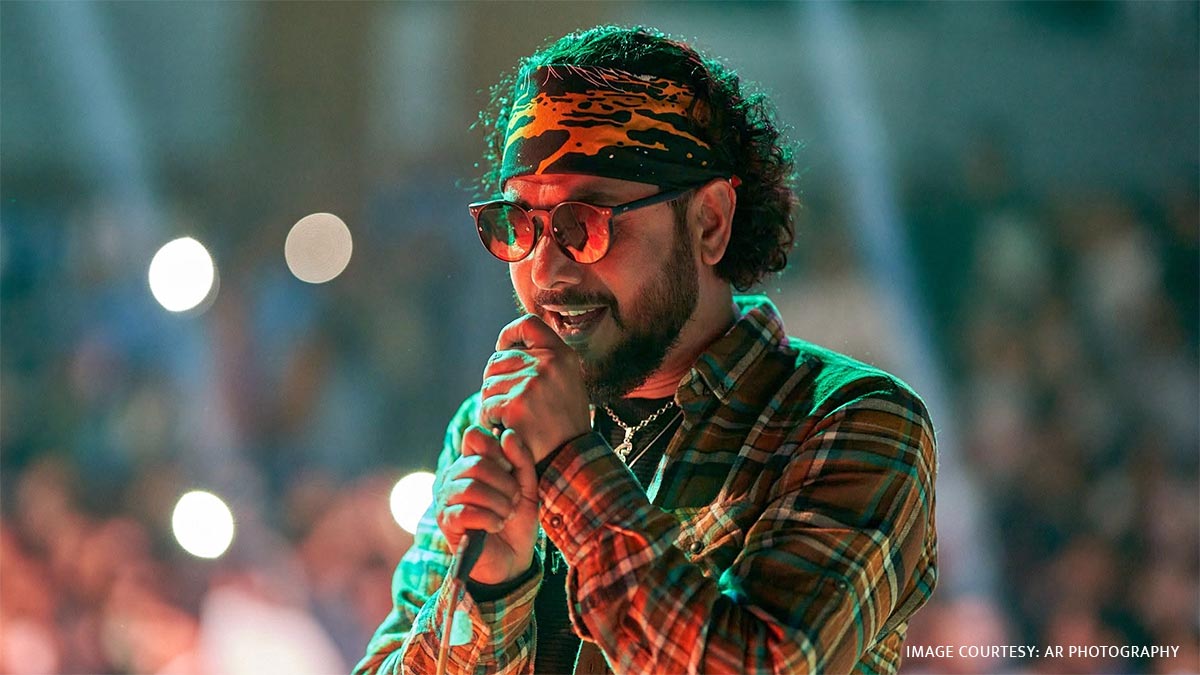
Singer Sugam Pokharel has issued a strong public warning against the unauthorized use of artists’ creations through AI-generated content, calling on those uploading and monetizing such material on YouTube and other digital platforms to remove it immediately.
In a statement shared on his Facebook page, Pokharel said that AI-made content using his and other artists’ creations had been uploaded without permission and was being used to earn money. He described the practice as “clearly illegal” and warned that those ignoring the request could face legal action, whether they are based in Nepal or abroad.
The singer’s message comes at a time when AI-generated songs, AI covers, and voice-style recreations are increasingly appearing across social media, YouTube, and streaming platforms. While AI tools have opened new creative possibilities, they have also raised serious concerns for singers, composers, lyricists, producers, and rights holders whose work may be copied, altered, or monetized without consent.
Pokharel’s post also mentioned several public figures and institutions, including Balen, Bikram Timilsina, Asim Shah, Asif Shah, Cyber Bureau, Rabi Lamichhane, and Sudan Gurung, signaling that the issue may now be moving from a private artist complaint to a broader public and legal conversation.
The issue is not limited to Nepal. Around the world, artists and music companies are debating whether AI tools can legally imitate voices, recreate musical styles, use copyrighted lyrics, or generate songs based on existing artists’ identities. In Nepal, the debate is still developing, but recent discussions have already pointed to gaps in awareness, legal enforcement, and digital rights protection for musicians.
YouTube’s own copyright system gives rightsholders options such as removal requests, Copyright Match Tool, and Content ID. These tools can help artists identify unauthorized uploads, request takedowns, or control monetization when their works are reused. YouTube also warns that using copyrighted content without permission may trigger claims and affect monetization.
Pokharel’s warning could become an important moment for Nepal’s music industry. For years, Nepali artists have raised concerns about royalties, unauthorized uploads, and weak digital enforcement. AI has now added another layer: not only are songs being copied, but artists’ voices, styles, and creative identities can also be digitally recreated.
For fans and content creators, the message is clear: AI creativity does not remove the need for permission. If a song, lyric, melody, vocal style, or artist identity is being used for public upload or monetization, creators may need proper rights clearance before publishing.
As AI music grows in Nepal, Sugam Pokharel’s public warning may push artists, platforms, legal experts, and policymakers to take the issue more seriously.
ALSO READ: Sujan Chapagain Apologises Amid Online Backlash Over Alleged Private Chats