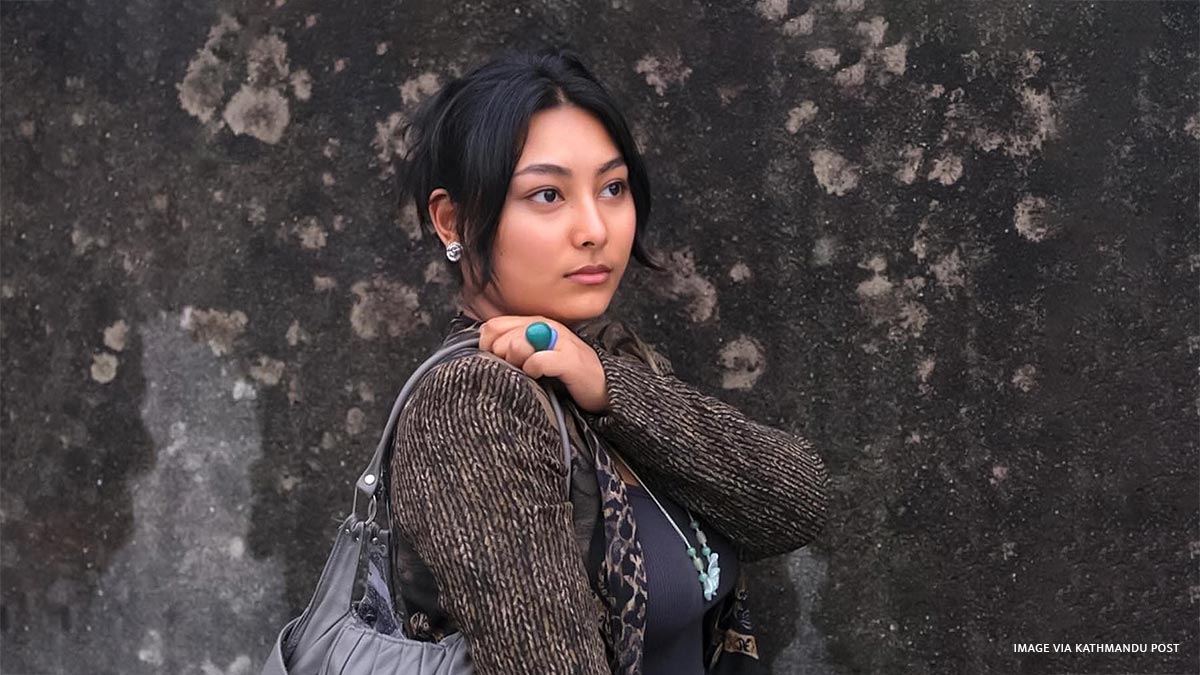
Alina Shrestha’s Story Is Inspiring Nepal’s Young Fashion Designers
A young Nepali designer who once had to convince people that fashion could be a serious career is now making headlines for her journey to one of America’s most iconic fashion houses.
Alina Shrestha, a Kathmandu-born fashion designer based in New York, has drawn attention after a recent feature by The Kathmandu Post highlighted her work in the international fashion industry. The report identifies the 24-year-old as an Accessories Designer at Ralph Lauren, where she is involved in the development of handbags, small leather goods and belts.
Her own Instagram bio also adds another public layer to the story. The profile identifies her as the Founder of Gofu Studio, a Designer at Ralph Lauren, connected with FIT NYC, and based in New York. For Nepal’s fashion community, the detail has made her journey even more inspiring, especially for young designers dreaming of global opportunities.
Alina’s story did not begin in a luxury fashion studio. It began in Kathmandu, with a teenager discovering Harajuku street fashion online and seeing clothing as a form of identity, freedom and rebellion. In a society where many young people are still encouraged to choose science, management or traditionally “secure” careers, her decision to follow fashion was not always easily understood.
According to the report, Alina became interested in fashion at the age of 13 after discovering Japan’s expressive street-style culture. What attracted her was not just the clothing, but the courage behind it—the idea that people could use fashion to stand out in societies that often teach people to remain reserved.
After completing high school, she took a gap year and joined a fashion course at Chuplag Studio. She later worked as a Studio Assistant at Atelier Lagom Nepal, where designer Hana Ling Rai encouraged her to take design seriously. That early mentorship helped strengthen her belief that fashion could become more than a passion.
Alina first dreamed of studying in Japan, but later chose the United States, where she had family support. Her path was still not straightforward. She initially applied to the Fashion Institute of Technology in New York but was rejected. Instead of giving up, she spent three semesters at Kent State University in Ohio, built a stronger portfolio, and applied again. This time, she was accepted.
Her time at FIT became a turning point. There, Alina learned that modern fashion design is not only about sketching beautiful clothes or accessories. It is also about computer-aided design, technical specifications, materials, production feasibility, pricing, customer needs and brand identity.
In the corporate fashion world, a designer’s work moves far beyond mood boards. It includes tracking trends, preparing CAD renderings, developing technical packs, building linesheets, coordinating with vendors, and working closely with merchandising and production teams. Alina’s experience across different categories, including sportswear, intimates, knitwear and accessories, helped prepare her for the highly structured world of American fashion.
Before Ralph Lauren, Alina worked in accessories at J.Crew and American Eagle. Those experiences exposed her to different interpretations of American style. American Eagle speaks more directly to younger, trend-conscious consumers, while J.Crew is widely associated with polished, preppy fashion. Ralph Lauren, on the other hand, is known for a more heritage-driven American identity.
Report says, Alina was contacted through LinkedIn for a handbag design role at Ralph Lauren. For her, the opportunity felt especially meaningful because she had visited the Ralph Lauren store and café on Manhattan’s Upper East Side with her family after graduation. A year later, she received an offer from the same fashion house.
At Ralph Lauren, Alina is learning how much thought goes into even the smallest design decision. A handbag, belt or wallet may look simple to a customer in a store, but behind it is a long process of trend research, customer understanding, material selection, pricing decisions, sampling, brand alignment and production planning.
For Nepali readers, Alina’s journey carries a larger meaning. Nepal has a rich design culture built around textiles, handmade craft, dhaka, traditional silhouettes and artisan knowledge. Yet many young designers still face limited opportunities, high production costs and competition from cheaper imported or dropshipped clothing.
Alina has also expressed interest in one day creating her own label that brings Nepali craftsmanship, textiles and design traditions to a global audience. During a recent summer in Kathmandu, she reportedly created a 10-piece collection for Gofu Studio, using organic materials and locally inspired silhouettes, including dhaka trousers and a cholo-inspired top.
That vision is important at a time when Nepali fashion is slowly finding new confidence. From slow fashion labels to young designers experimenting with local fabrics, there is growing interest in creating products that are modern, sustainable and rooted in Nepali identity.
Alina’s story also speaks to parents and students. Fashion is often misunderstood as only glamour, modelling or clothing. But in reality, design is a technical, creative and business-driven profession. It requires discipline, software skills, production knowledge, market awareness and originality.
From Kathmandu’s creative spaces to New York’s fashion studios, Alina Shrestha’s rise is a reminder that Nepali talent can belong anywhere in the world. Her journey is not just a success story; it is a message to young creatives in Nepal that dreams become stronger when they are backed by skill, patience and determination.
For a generation of Nepali designers looking beyond borders, Alina’s path offers both inspiration and a challenge: think globally, stay rooted, and keep building.
ALSO READ: Rainy Season Style Inspirations by Namuna College BFDM Students